AI makes it easier to build. Judgment decides what’s worth building.
I’m writing a book about engineering leadership in the AI era: how to make consequential decisions, keep systems reliable, and know when a human needs to step in.
For CTOs, VPs of Engineering, and staff & principal engineers.
Be there when it launches.
Get occasional notes from the writing process and an email when the book is available.
You’re on the list.
I’ll email you with book updates and let you know when it’s ready. Thanks for being here early.
Implementation gets cheaper. The decisions still belong to us.
Provisional title · concept cover
The question behind the book
When your team can build almost anything, how do you choose?
More possible solutions mean more decisions to own. Drawing on real operating decisions and incidents, this book explores the judgment behind architecture, reliability, and human oversight when the pace of change keeps increasing.
Inside the manuscript
The decisions you’ll face.
01
Make decisions with incomplete evidence.
Move forward under uncertainty. Decide what you need to know, what you can safely try, and what would change your mind.
From the planned chapters: Engineering Under Uncertainty · Decision Velocity as a Competitive Advantage
02
See the risk behind the dashboard.
Recognize blind spots, choose useful signals, and know when a problem needs your attention.
From the planned chapters: The Observability Illusion · What Requires Your Attention?
03
Keep people accountable as systems gain autonomy.
Draw approval boundaries, make ownership explicit, and decide which choices should stay with a human.
From the planned chapters: The Human Reliability Layer · Governing Autonomous Systems
From the work, to the page.
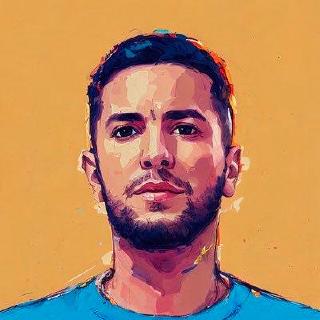
Hi, I’m iLyas.
I’m CTO at ATEK, where I work on environmental monitoring for life sciences. Before that, I worked on cloud architecture and resilient platforms at AWS, SSENSE, OneSpan, and National Bank of Canada.
This book grows out of the decisions that come with that work: what to ship, what to trust, and how much risk to accept.